Free Images for everyone can be found here!!
Bloggers, you can use photographs from here for free, if your your blog is non-commercial. If a commercial website, the cost is nominal. All pictures on this blog are copyrighted to me. If an image is used, do attribute it as specified here! These photos are only for blogs/websites. If distributed, same conditions apply to end-user. Brick and mortar businesses have to pay (unless non-profit).Thanks.
The photos cannot be sold. For commercial purposes other than the web, pay as specified here. Select photos by using the SEARCH function under the Archives, found at the bottom of page (my email id is there too) or labels at bottom of each post. To see original image, click on image or ask me for a bigger and better one.
Showing posts with label Temples. Show all posts
Monday, November 18, 2024
Namdroling Monastery near Mysore
Namdrolling is the largest teaching center of the Nyingma lineage of Tibetan Buddhism in the world. It is located in Bylakuppe, part of the Mysuru district of the state of Karnataka. The sangha community lives in this monastry - more than five thousand monks and nuns and qualified teachers, a junior high school named Yeshe Wodsal Sherab Raldri Ling, a Buddhist philosophy college or shedra for both monks and nuns, a home for the elderly, and a hospital.Here are some of the pictures of the main temple:
Thursday, July 4, 2019
Thursday, February 9, 2017
Ambabai Temple in Kolhapur
This is the Mahalakshmi temple at Kolhapur, popularly called as the Ambabai Temple. It was originally built in the 7th century, but unfortunately the original dark stone on the spire has been replaced by ugly white paint.
The temple has also become very commercial where even elderly devotees are shouted at, pushed and bullied by the female security guards. It is impossible to pray here because of the nasty guards, shouting, and pushing even 88 year old people. This is a personal experience (we had taken my mother in law there), and on a Wednesday, when it was less crowded than usual. We had given a saree, and offerings, but no one seemed interested. The guards have just got used to the bullying and enjoy it. One cannot have even a few moments of peace, so how can God reside here?
The believers will continue to throng this temple, but we will never go back.
Thursday, May 15, 2014
Krishna Temple Ceiling Art
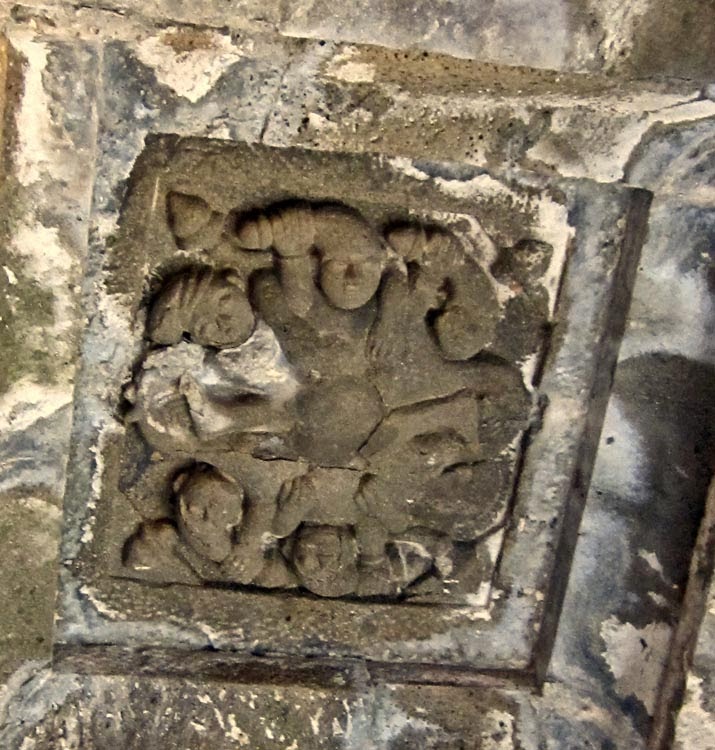
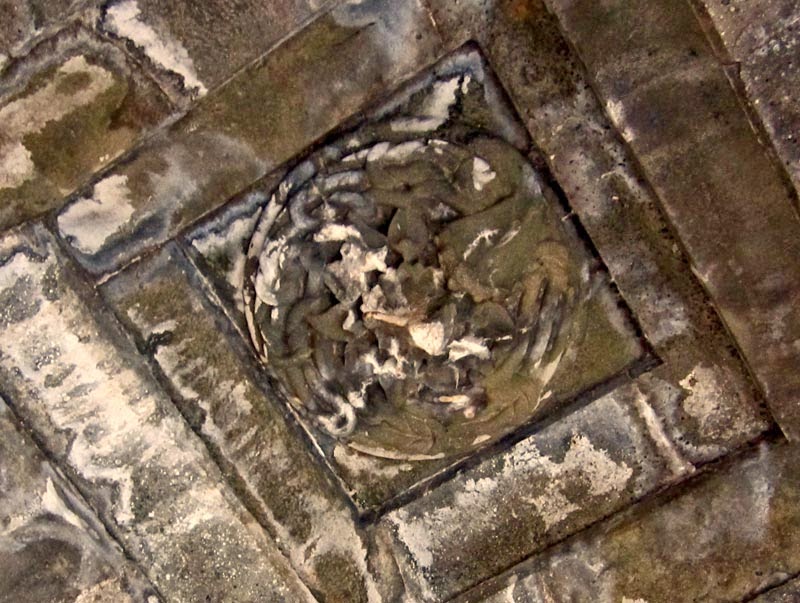
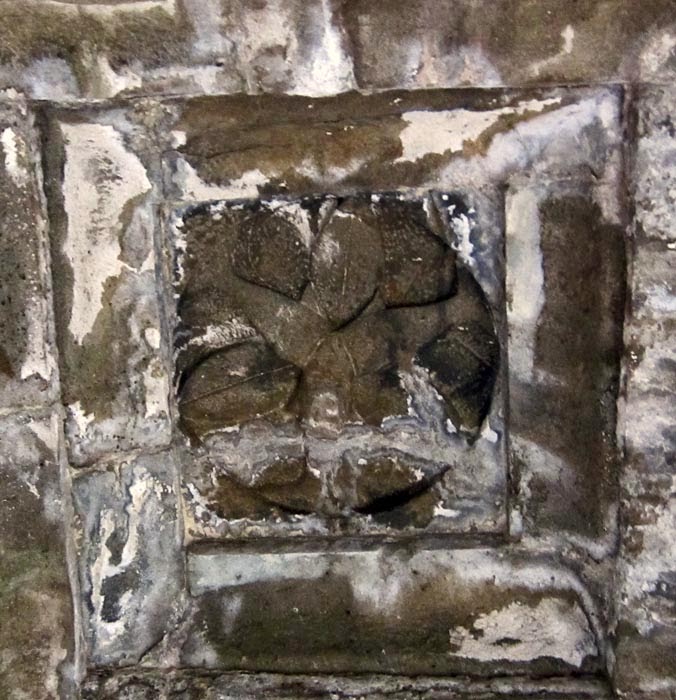
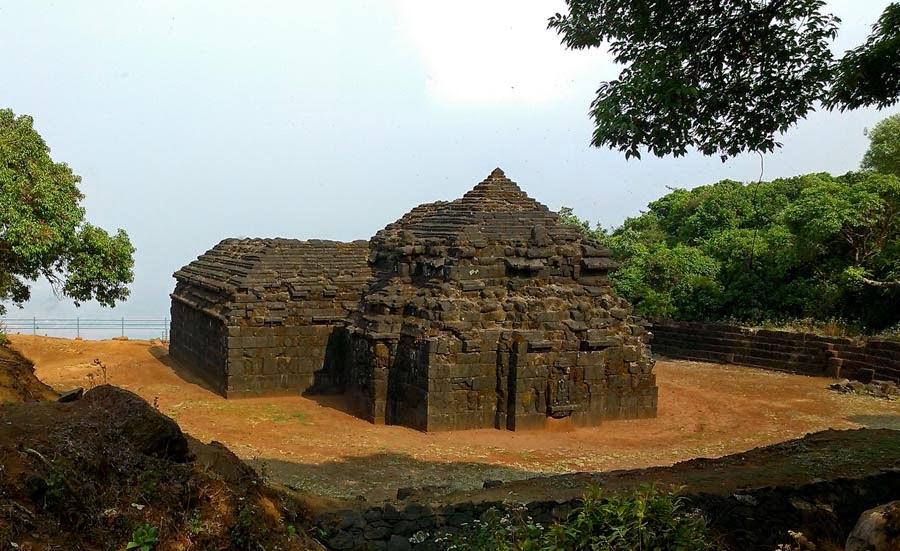
These are photographs of the ceiling of the Krishna Temple or Krishnabai temple, located in Old Mahabaleshwar. The temple is more than 7 centuries old but well maintained.
You might also like a birds eye view of the Krishna temple as well as photographs of the interiors of the Krishna Temple in Mahabaleshwar
Or you might also like Somnath Temple photographs or Group of temples at Mahabalipuram or Mammallapuram or Shore Temple at Mahabalipuram or Mammallapuram or Meenakshi Temple or Tiru-alavai images
Or check out all the carvings, sculptures and paintings at Ajanta or Ellora, where you will find photographs of both the Ajanta and Ellora caves and the art.
Or see the scores of images filed under the label "Temples" where you will find temples from different parts of the world, as well as sketches and silhouettes.
You might also like a birds eye view of the Krishna temple as well as photographs of the interiors of the Krishna Temple in Mahabaleshwar
Or you might also like Somnath Temple photographs or Group of temples at Mahabalipuram or Mammallapuram or Shore Temple at Mahabalipuram or Mammallapuram or Meenakshi Temple or Tiru-alavai images
Or check out all the carvings, sculptures and paintings at Ajanta or Ellora, where you will find photographs of both the Ajanta and Ellora caves and the art.
Or see the scores of images filed under the label "Temples" where you will find temples from different parts of the world, as well as sketches and silhouettes.
Labels:
Art,
Hinduism,
India,
Sculptures,
Temples
Monday, May 12, 2014
Krishna Temple in Mahabaleshwar
These are photographs of the Krishna Temple or Krishnabai temple in Old Mahabaleshwar. It is more than 7 centuries old, and was built by King Singhan of Deogiri. He built it at the source of the Krishna river. The temple is ancient and partly in ruins but it is well maintained. It overlooks a steep cliff from where one can get a lovely view. Amazing that despite being exposed to high winds and rain it still maintains its original shape.
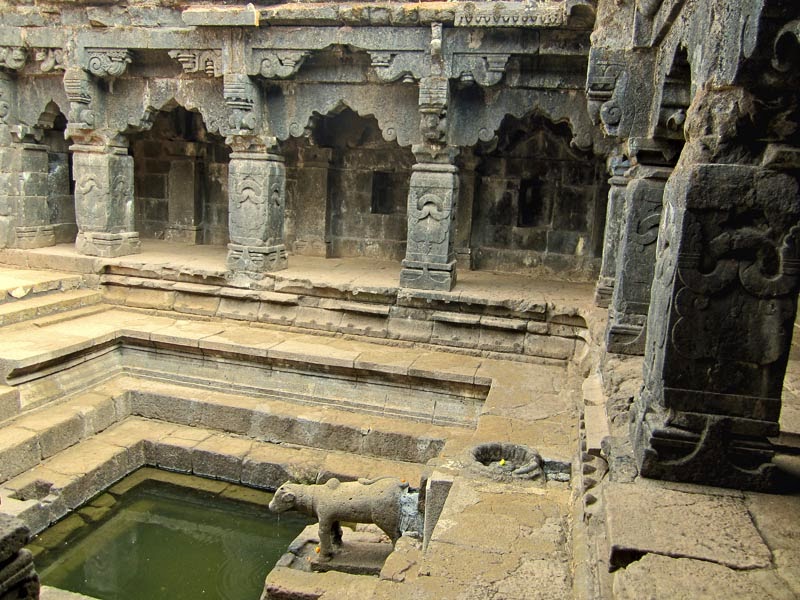
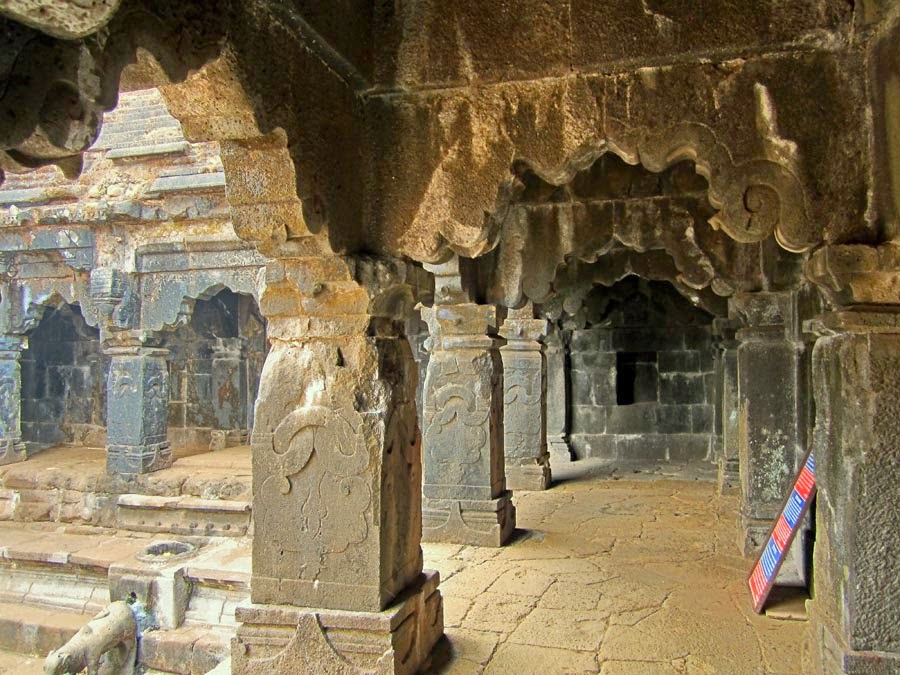
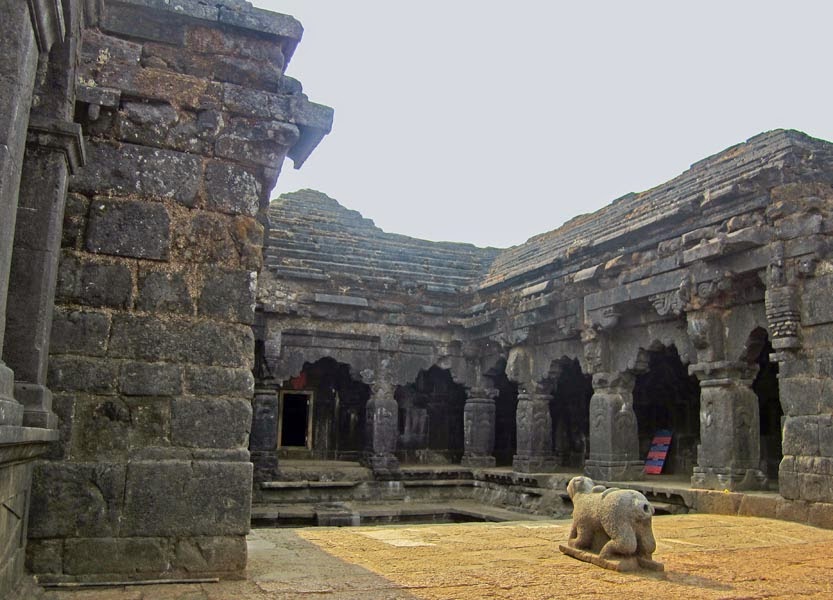
There is a small pond in the courtyard of this ancient temple into which the waters of the Krishna river fall (from the mount of the Nandi). In this photographs you can see the carved stone pillars. Every part of this temple is beautifully carved.
The Nandi at the entrance to the temple
Another view of the temple's open corridors and the carved pillars. The ceilings are also carved and these will be shown in another post.
Check out a birds eye view of the Krishna temple or Krishna Temple Ceiling Art
Or you might also like Somnath Temple photographs or Group of temples at Mahabalipuram or Mammallapuram or Shore Temple at Mahabalipuram or Mammallapuram or Meenakshi Temple or Tiru-alavai images
Or check out all the carvings, sculptures and paintings at Ajanta or Ellora, where you will find photographs of both the Ajanta and Ellora caves and the art.
Or see the scores of images filed under the label "Temples" where you will find temples from different parts of the world, as well as sketches and silhouettes.
There is a small pond in the courtyard of this ancient temple into which the waters of the Krishna river fall (from the mount of the Nandi). In this photographs you can see the carved stone pillars. Every part of this temple is beautifully carved.
The Nandi at the entrance to the temple
Another view of the temple's open corridors and the carved pillars. The ceilings are also carved and these will be shown in another post.
Or you might also like Somnath Temple photographs or Group of temples at Mahabalipuram or Mammallapuram or Shore Temple at Mahabalipuram or Mammallapuram or Meenakshi Temple or Tiru-alavai images
Or check out all the carvings, sculptures and paintings at Ajanta or Ellora, where you will find photographs of both the Ajanta and Ellora caves and the art.
Or see the scores of images filed under the label "Temples" where you will find temples from different parts of the world, as well as sketches and silhouettes.
Labels:
Architecture,
Art,
Culture,
Hinduism,
India,
Mahabaleshwar,
Sculptures,
Temples,
Travel
Thursday, May 1, 2014
Krishna Temple
The Krishna Temple or Krishnabai temple in Mahabaleshwar (Maharashtra) was built in the 13th century by King Singhan of Deogiri at the source of the Krishna river. It is located in Old Mahabaleshwar. The temple is ancient and partly in ruins but it is well maintained. It is a short walk (a rough road) into the jungle from the Panchganga temple. It is situated at the edge of a cliff and there is a breathtaking view. However it being exposed thus to the natural elements has meant that erosion has eaten away the temple to some extent.
There are more beautiful sculptures and art inside the temple - Krishna Temple of Mahabaleshwar.
This is an image of the temple from the other side of the temple, the entrance. It is built in a horse shoe shape with a small pond (where the Krishna river water flows out) in the courtyard.
This is a closer look. The corridors on the side have carved pillars and the ceilings are also carved. Photographs are not allowed in the inner sanctum which is always wet. The water seeps through the ground. It is the source of the Krishna river.
As it was in the hot season the water which comes out of the mouth of the nandi is just a trickle. But this is the source of the Krishna river.
More pictures of the Krishna Temple in Mahabaleshwar or Krishna Temple Ceiling Art
You might also like Somnath Temple photographs or Group of temples at Mahabalipuram or Mammallapuram or Shore Temple at Mahabalipuram or Mammallapuram or Meenakshi Temple or Tiru-alavai images
Or check out all the carvings, sculptures and paintings at Ajanta or Ellora, where you will find photographs of both the Ajanta and Ellora caves and the art.
Or see the scores of images filed under the label "Temples" where you will find temples from different parts of the world, as well as sketches and silhouettes.
There are more beautiful sculptures and art inside the temple - Krishna Temple of Mahabaleshwar.
This is an image of the temple from the other side of the temple, the entrance. It is built in a horse shoe shape with a small pond (where the Krishna river water flows out) in the courtyard.
This is a closer look. The corridors on the side have carved pillars and the ceilings are also carved. Photographs are not allowed in the inner sanctum which is always wet. The water seeps through the ground. It is the source of the Krishna river.
As it was in the hot season the water which comes out of the mouth of the nandi is just a trickle. But this is the source of the Krishna river.
More pictures of the Krishna Temple in Mahabaleshwar or Krishna Temple Ceiling Art
You might also like Somnath Temple photographs or Group of temples at Mahabalipuram or Mammallapuram or Shore Temple at Mahabalipuram or Mammallapuram or Meenakshi Temple or Tiru-alavai images
Or check out all the carvings, sculptures and paintings at Ajanta or Ellora, where you will find photographs of both the Ajanta and Ellora caves and the art.
Or see the scores of images filed under the label "Temples" where you will find temples from different parts of the world, as well as sketches and silhouettes.
Labels:
Architecture,
Culture,
Hinduism,
India,
Temples
Monday, March 31, 2014
Significance of Animals and other life in Hinduism
Even if one is not a religious Hindu, one cannot help revering the religion for one thing - it's understanding, love, and respect for animals. Animals have a right to be here, just as humans do, and no religion understands this better than Hinduism.Animal, mammal and even reptile imagery is common in Hinduism. Indian literature is also full of references to animals. And the references do not paint the creatures as evil.
The fables of West has few references to animals, and some paint the animals negatively. For example, the evil wolf in Red Riding Hood. On the other hand in Indian fables such as in the Panchatantra, The stories are full of animal characters and morals for humans and many of these stories date back to the 2nd or 3rd century BC.
And then, we have our Hindu Gods who are often depicted complete with their favourite animals, whether cows, elephants snakes or even rats! Used either as pets or vehicles. This made animals sacred for many centuries and helped preserve our wildlife although now the influences of the West has changed us to some extent.
Animals were always a part and parcel of our culture, and I am very proud of it. The Gods showed us the way.
Strangely westerners ridicule our "worship" of animals and even have contempt for it. They have ofcourse killed off most of their wildlife! They have little or not understanding of the importance of animals in Hinduism and even less about the right of a form of life to live, a right others have as much as humans. All their recent efforts to preserve animals are esoteric in nature, without a base in spiritualism. It's good ofcourse, a way for them to make up for the many centuries of animal slaughter.
Krishna loved milk and milk products and this is him with a pet cow.
Nandi, the Bull, is Lord Shiva's ride and found outside many temples.
This is at the pre-historic site of the Kailashnath Temple at Ellora. This temple has several sculptures of lions and elephants. In Hinduism animals are considered on par with humans, not inferiors and that is why they have a place with God.
Turtles are often found in temples, at the feet of the Gods. In Hinduism, a tortoise is one who carries the world on his back, upholding the Earth and the sea. Turtles are revered in some other ancient cultures as well.
Read more about the importance of animals in Hinduism here.
You might also like or Krishna Temple in Mahabaleshwar or Diya graphics and illustrations and Sketch or other Hindu Religious symbols or check out all the photographs filed under Hinduism, Ellora, Art, Culture or Religion or Temples
The Image of different Religions is well illustrated in this post by taking random first images off the internet.
The fables of West has few references to animals, and some paint the animals negatively. For example, the evil wolf in Red Riding Hood. On the other hand in Indian fables such as in the Panchatantra, The stories are full of animal characters and morals for humans and many of these stories date back to the 2nd or 3rd century BC.
And then, we have our Hindu Gods who are often depicted complete with their favourite animals, whether cows, elephants snakes or even rats! Used either as pets or vehicles. This made animals sacred for many centuries and helped preserve our wildlife although now the influences of the West has changed us to some extent.
Animals were always a part and parcel of our culture, and I am very proud of it. The Gods showed us the way.
Strangely westerners ridicule our "worship" of animals and even have contempt for it. They have ofcourse killed off most of their wildlife! They have little or not understanding of the importance of animals in Hinduism and even less about the right of a form of life to live, a right others have as much as humans. All their recent efforts to preserve animals are esoteric in nature, without a base in spiritualism. It's good ofcourse, a way for them to make up for the many centuries of animal slaughter.
Krishna loved milk and milk products and this is him with a pet cow.
Nandi, the Bull, is Lord Shiva's ride and found outside many temples.
Here is Shiva with his Nandi bail and also a snake around his neck. There are various interpretation of why there is a snake around the neck. The interpretation is that "a snake hoards nothing, carries nothing, builds nothing, lives on air alone for a long time, and lives in mountains and forests. The venom of a snake, therefore, symbolizes the yogic power".
This is at the pre-historic site of the Kailashnath Temple at Ellora. This temple has several sculptures of lions and elephants. In Hinduism animals are considered on par with humans, not inferiors and that is why they have a place with God.
Turtles are often found in temples, at the feet of the Gods. In Hinduism, a tortoise is one who carries the world on his back, upholding the Earth and the sea. Turtles are revered in some other ancient cultures as well.
Read more about the importance of animals in Hinduism here.
The Image of different Religions is well illustrated in this post by taking random first images off the internet.
Thursday, December 19, 2013
Somnath Temple photographs
The Somnath Temple on the western coast of Gujarat, India, is one of the twelve Jyotirlinga shrines of the god Shiva. Somnath temple was destroyed many times by Islamic kings and rulers and regularly re-built. The last time was in 1947.
The unique thing about this temple is that there is no land between it and Antarctica, The fact that the ancient Indians had this knowledge is amazing. In fact much of the ancient scienctific knowledge of ancient India was lost when the Mughals burnt down a precious library at Nalanda. The barbarians were evil akin to the terrorists of today.
This is the way to enter the Somnath temple.
A closer look at the temple. Shoes have to removed beyond the fence. Unfortunately no cameras are allowed inside.
You might also like Group of temples at Mahabalipuram or Mammallapuram or Shore Temple at Mahabalipuram or Mammallapuram or Meenakshi Temple or Tiru-alavai images
Or check out all the carvings, sculptures and paintings at Ajanta or Ellora, where you will find photographs of both the Ajanta and Ellora caves and the art.
Or see the scores of images filed under the label "Temples" where you will find temples from different parts of the world, as well as sketches and silhouettes.
The unique thing about this temple is that there is no land between it and Antarctica, The fact that the ancient Indians had this knowledge is amazing. In fact much of the ancient scienctific knowledge of ancient India was lost when the Mughals burnt down a precious library at Nalanda. The barbarians were evil akin to the terrorists of today.
This is the way to enter the Somnath temple.
A closer look at the temple. Shoes have to removed beyond the fence. Unfortunately no cameras are allowed inside.
You might also like Group of temples at Mahabalipuram or Mammallapuram or Shore Temple at Mahabalipuram or Mammallapuram or Meenakshi Temple or Tiru-alavai images
Or check out all the carvings, sculptures and paintings at Ajanta or Ellora, where you will find photographs of both the Ajanta and Ellora caves and the art.
Or see the scores of images filed under the label "Temples" where you will find temples from different parts of the world, as well as sketches and silhouettes.
Monday, September 9, 2013
Golden Ganesha from Bangkok
If you thought only Indians prayed to Ganesha, think again. Here is a local person in Bangkok kneeling down before a golden statue of Ganesh (also known as Ganpati) in the city of Bangkok in Thailand. Ganesha is a Hindu deity, and his images are found across India, Nepal and some in Thailand. Jains and Buddhists also worship Ganesha.
Here is a closer look at the golden statue of the deity Ganesh (referred to Ganpati in Maharashtra)
Related Images: Ganesh Pandal decorations on the streets or Ganpati or Ganesh sketches
For images of Ganesh Idols lit up with decorative electric and psychedelic lights see this post: Ganpati at Night
More related Images: Indian cities lit up at night with Diwali lights or Priest performing a Pooja or Hanuman Temple
For religious symbols from Hinduism: Swastika graphics from India or Paduka or Guru's feet or or Shiva Pindi or Lingam
Here is a closer look at the golden statue of the deity Ganesh (referred to Ganpati in Maharashtra)
Related Images: Ganesh Pandal decorations on the streets or Ganpati or Ganesh sketches
For images of Ganesh Idols lit up with decorative electric and psychedelic lights see this post: Ganpati at Night
More related Images: Indian cities lit up at night with Diwali lights or Priest performing a Pooja or Hanuman Temple
For religious symbols from Hinduism: Swastika graphics from India or Paduka or Guru's feet or or Shiva Pindi or Lingam
Thursday, April 25, 2013
Group of temples at Mahabalipuram or Mammallapuram
Mahabalipuram, also known as Mamallapuram is a place near Chennai in the state of Tamil Nadu in India. Mahabalipuram is a historical place, and was a bustling sea-port and trading centre in ancient times around the first century CE. Many temples were built in this town and these photos are of the temples built in the 7th Century by the Pallavas dynasty of South India. This area is a UNESCO World Heritage Site.
These photographs are of a small group of temples in close proximity to each other in a small compound, and this cluster is near the famous Shore Temple and other famous Mahabalipuram temples in the vicinity.
Note the small independent temples in this temple compound at Mammallapuram. Sculptures of Elephants are often find in and around Indian Hindu temples as this animal is considered sacred to Hindus. The elephant connotes attributes like abundance, fertility, strength and wisdom.
A view of the temples at Mahabalipuram with the blue sky in the foreground.
A closer look at the carvings and figures of the temples.
You might also like to see pictures of the Shore Temple at Mahabalipuram or Mammallapuram or photographs of Meenakshi Temple or Tiru-alavai images or check out the scores of images filed under the label "Temples" where you will find temples from different parts of the world, as well as sketches and silhouettes.These photographs are of a small group of temples in close proximity to each other in a small compound, and this cluster is near the famous Shore Temple and other famous Mahabalipuram temples in the vicinity.
Note the small independent temples in this temple compound at Mammallapuram. Sculptures of Elephants are often find in and around Indian Hindu temples as this animal is considered sacred to Hindus. The elephant connotes attributes like abundance, fertility, strength and wisdom.
A view of the temples at Mahabalipuram with the blue sky in the foreground.
A closer look at the carvings and figures of the temples.
Labels:
Architecture,
Art,
Culture,
Hinduism,
India,
Sculptures,
Temples
Thursday, March 7, 2013
Shore Temple at Mahabalipuram or Mammallapuram
The Shore Temple was built over 13 centuries ago (700-728 AD). Although it is partly in ruins, it has been well maintained. It is near the beach of the Bay of Bengal. It has been made of granite at Mahabalipuram or what is also known as Mammallapuram which is a small village near Chennai, Tamil Nadu, India. It was built during the Pallava dynasty.
A panoramic view of the Shore Temple at Mahabalipuram. It is in the centre of the image. Beyond that is the sea.
A closer look at the ancient temple at Mahabalipuram. It is an UNESCO world heritage site. The temple is dedicated to Shiva and Vishnu.
You might also like Meenakshi Temple or Tiru-alavai images or check out the scores of images filed under the label "Temples" where you will find temples from different parts of the world.
-->
-->
A panoramic view of the Shore Temple at Mahabalipuram. It is in the centre of the image. Beyond that is the sea.
A closer look at the ancient temple at Mahabalipuram. It is an UNESCO world heritage site. The temple is dedicated to Shiva and Vishnu.
You might also like Meenakshi Temple or Tiru-alavai images or check out the scores of images filed under the label "Temples" where you will find temples from different parts of the world.
-->
-->
Labels:
Architecture,
Culture,
Heritage buildings,
Hinduism,
Mammalapuram,
Photography,
Religion,
Temples
Monday, January 28, 2013
Close ups of Ajanta's exteriors
These rock-cut caves near Aurangabad in India are a world heritage site and fairly well preserved. These 30 caves represent Buddhism. Although much of it has been eroded by the sands of time, it is worth a see. The fact that they have been preserved since the fifth century B.C. is amazing. They lie inside a horseshoe shaped gorge, and a reason they were protected from the the harsh vagaries of nature. The caves are a fine example of ancient Buddhist architecture. These images show what the exteriors are like in general, and are just a sample. In actuality many of temples can be double storeyed and spread out over a large area.
An example of what the exterior of an Ajanta cave can look like.
Some type of Buddhist monastery at Ajanta.
Amazing how the ancients managed to carve such a thing of beauty into the dark rock.
A closer look at the sculpted exteriors of the Ajanta caves at Aurangabad.
Temples carved into the hard rock of the western ghats.
Related images: A View from Ajanta - scenery of rocks, caves and hills which is a panoramic view of the hills surrounding Ajanta caves. Or see photos of Ajanta Caves exterior images which reveal the horseshoe shaped gorge and the temples carved into it. Or check out all the carvings, sculptures and paintings at Ajanta or Ellora, where you will find photographs of both the Ajanta and Ellora caves and the art.
Or try photos from these posts: Group of temples at Mahabalipuram or Mammallapuram or Shore Temple at Mahabalipuram or Mammallapuram or Meenakshi Temple or Tiru-alavai images
Or check out the scores of images filed under the label "Temples"
-->
-->
An example of what the exterior of an Ajanta cave can look like.
Some type of Buddhist monastery at Ajanta.
Amazing how the ancients managed to carve such a thing of beauty into the dark rock.
A closer look at the sculpted exteriors of the Ajanta caves at Aurangabad.
Temples carved into the hard rock of the western ghats.
Related images: A View from Ajanta - scenery of rocks, caves and hills which is a panoramic view of the hills surrounding Ajanta caves. Or see photos of Ajanta Caves exterior images which reveal the horseshoe shaped gorge and the temples carved into it. Or check out all the carvings, sculptures and paintings at Ajanta or Ellora, where you will find photographs of both the Ajanta and Ellora caves and the art.
Or try photos from these posts: Group of temples at Mahabalipuram or Mammallapuram or Shore Temple at Mahabalipuram or Mammallapuram or Meenakshi Temple or Tiru-alavai images
Or check out the scores of images filed under the label "Temples"
-->
-->
Labels:
Ajanta,
Architecture,
Art,
Aurangabad,
India,
Monuments,
Sculptures,
Temples
Wednesday, December 26, 2012
Inside the Ajanta Temples
The centuries old Ajanta Caves on the outskirts of Aurangabad are some of the most well maintained ancient archaeological world heritage sites in India. These 30 rock-cut caves are quite magnificent from the inside although the sculptures have chipped away and colours faded. The fact that they have been preserved since the fifth century B.C. is a miracle. One of the reasons could be that they are inside a horseshoe shaped gorge. The caves mainly represent Buddhism and are a great example of ancient Buddhist architecture. These images present a glimpse as to what the interiors are like and are just a sample. In actuality there are more than just 30 temples, because the temples often consist of several shrines and can be double storeyed.
In this picture you can see the large stone hall inside the temple. The pillars and ceiling is intricately decorated with sculptures. The Buddha can be seen inside the main shrine.
Here is another temple hall which appears plain by contrast. However most of the artwork has simply been eroded away by time. On the pillars you can see the remnants of the coloured paintings. One can only imagine how spectacular the temple must have looked when it was just made.
The inside of one of the main caves at Ajanta. The ceilings, walls and pillars are all elaborately sculptured and painted.
A look at the inner sanctum where the figure of Buddha is kept.
A passageway or corridor with Buddha sculptures at the side of the main hall.
You might also like View from Ajanta - scenery of rocks, caves and hills which is a panoramic view of the hills surrounding Ajanta caves. Or you can check out Ajanta Caves exterior images which reveal the horseshoe shaped gorge and the temples carved into it.
Or see all the carvings, sculptures and paintings at Ajanta or Ellora, where you will find photographs of both the Ajanta and Ellora caves and the art or try any of the labels below this post which will take you to art from all over the world.
-->
-->
In this picture you can see the large stone hall inside the temple. The pillars and ceiling is intricately decorated with sculptures. The Buddha can be seen inside the main shrine.
Here is another temple hall which appears plain by contrast. However most of the artwork has simply been eroded away by time. On the pillars you can see the remnants of the coloured paintings. One can only imagine how spectacular the temple must have looked when it was just made.
The inside of one of the main caves at Ajanta. The ceilings, walls and pillars are all elaborately sculptured and painted.
A look at the inner sanctum where the figure of Buddha is kept.
A passageway or corridor with Buddha sculptures at the side of the main hall.
You might also like View from Ajanta - scenery of rocks, caves and hills which is a panoramic view of the hills surrounding Ajanta caves. Or you can check out Ajanta Caves exterior images which reveal the horseshoe shaped gorge and the temples carved into it.
Or see all the carvings, sculptures and paintings at Ajanta or Ellora, where you will find photographs of both the Ajanta and Ellora caves and the art or try any of the labels below this post which will take you to art from all over the world.
-->
-->
Labels:
Ajanta,
Architecture,
Art,
Aurangabad,
Buddhism,
India,
Monuments,
Sculptures,
Temples
Monday, December 17, 2012
Ajanta Caves exterior images
This is what the Ajanta Caves look like from the outside. These 30 rock-cut caves are buried deep inside a horseshoe shaped gorge of the Waghora river. They represent the two distinct phases of Buddhism - the Hinayana phase from the second century BC to the first century AD and the second Mahayana phase from the fifth century AD to 6th century AD. They are a prime example of early Buddhist architecture and art. These caves remained safe from Mughal invaders as the caves were hidden deep in the rocks inside the jungles outside Aurangabad.
The caves stretch out into a long distance and Aurangabad is hot, so it is a long hot walk on concrete and stone. The caves are often double storeyed, if not higher, and that means climbing up and down for hours. Plus, the caves are huge inside with various halls and rooms and thus exploring some of the big caves can take over an hour. Chalk out a whole day for this adventure if you are serious about seeing this ancient art!
A closer view of the rock caves at Ajanta, on the outskirts of Aurangabad.
This is the view when the camera was turned in the opposite direction.
Another view of the Ajanta caves. The road to walk on is hard concrete and heats up. Decent and accessible toilet facilities were not available, at least not when we went. The toilet was locked!
You might also like View from Ajanta - scenery of rocks, caves and hills which is a panoramic view of the hills surrounding Ajanta caves, through the mouth of the horseshoe.
Or check out all the carvings, sculptures and paintings at Ajanta or Ellora, where you will find photographs of both the Ajanta and Ellora caves and the art.
-->
-->
The caves stretch out into a long distance and Aurangabad is hot, so it is a long hot walk on concrete and stone. The caves are often double storeyed, if not higher, and that means climbing up and down for hours. Plus, the caves are huge inside with various halls and rooms and thus exploring some of the big caves can take over an hour. Chalk out a whole day for this adventure if you are serious about seeing this ancient art!
A closer view of the rock caves at Ajanta, on the outskirts of Aurangabad.
This is the view when the camera was turned in the opposite direction.
Another view of the Ajanta caves. The road to walk on is hard concrete and heats up. Decent and accessible toilet facilities were not available, at least not when we went. The toilet was locked!
You might also like View from Ajanta - scenery of rocks, caves and hills which is a panoramic view of the hills surrounding Ajanta caves, through the mouth of the horseshoe.
Or check out all the carvings, sculptures and paintings at Ajanta or Ellora, where you will find photographs of both the Ajanta and Ellora caves and the art.
-->
-->
Labels:
Ajanta,
Architecture,
Aurangabad,
Buddhism,
Culture,
India,
Monuments,
Temples
Subscribe to:
Posts (Atom)